
Click HERE for the audio blog.
What Those Little Produce Stickers Are Actually Telling You
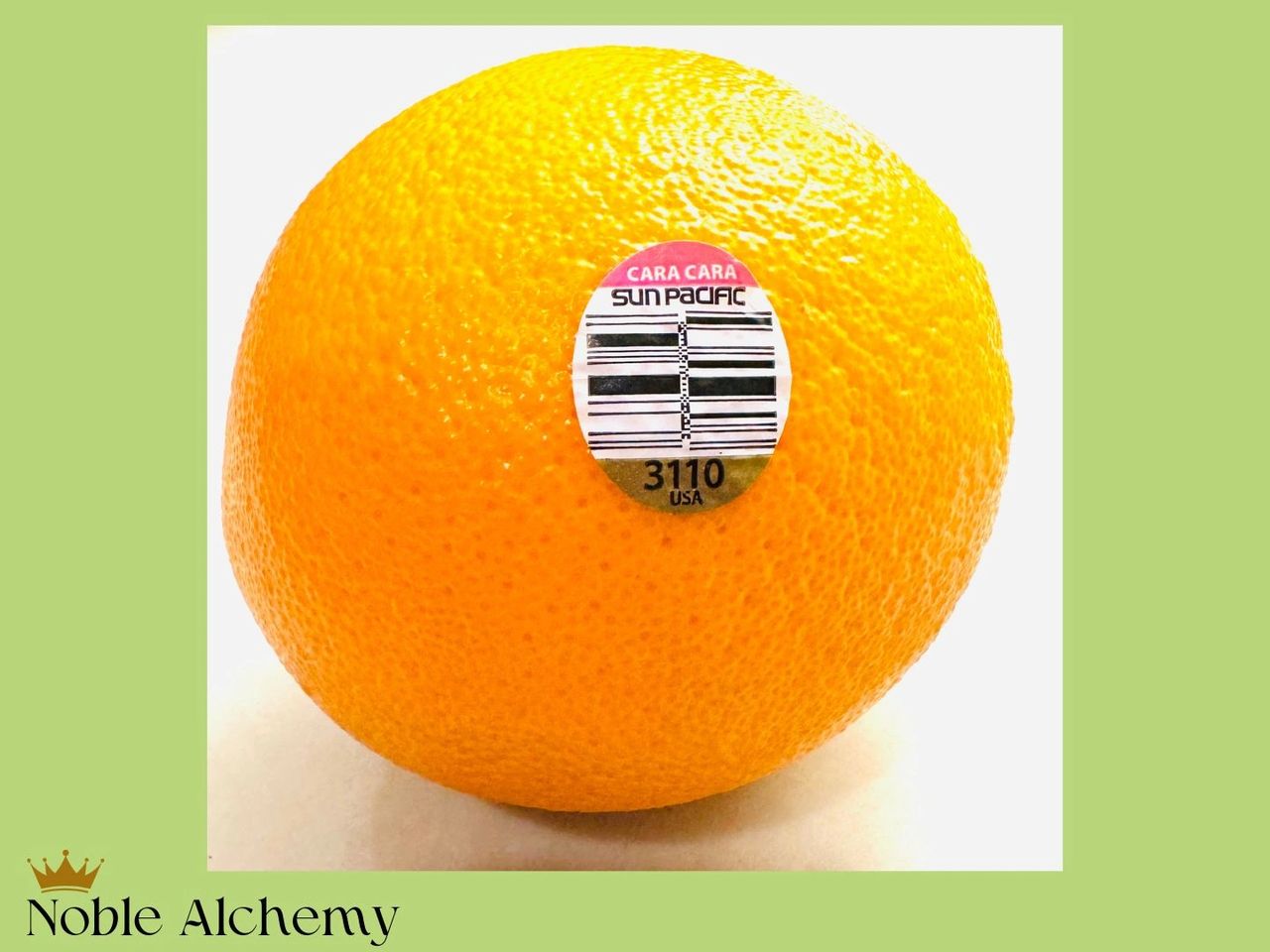
Oh, the humble produce sticker. They cling to apples, bananas, and every other fruit or veggie, refusing to let go without a fight. Who hasn’t wrestled with one of these pesky things, only to end up peeling off half the fruit’s skin in the process? While they may seem like an annoying obstacle between you and your snack, those tiny stickers—also known as PLU (Price Look-Up) codes—actually have a lot to say.
In fact, they’re like little secret agents of information, revealing how your produce was grown and what you’re about to bite into. Ready to decode the mysteries of the produce aisle? Let’s break it down into three categories: Proceed with Caution, Stay Away, and Best Choice.
Proceed with Caution: Tread Lightly in the Produce Jungle
If the sticker starts with number “3” (Irradiated):
Ever seen a 5-digit PLU code starting with “3”? It means the produce has been electronically pasteurized (a.k.a. irradiated). Think of it as zapping your fruit with high-energy radiation to kill off harmful bacteria and extend shelf life. Sounds sci-fi, right? Regulatory agencies claim it’s safe, but personally, “irradiated apples” doesn’t exactly whet my appetite.
4 Digit PLU Starts with a “3” or “4” (Conventionally Grown):
A 4-digit PLU code starting with “3” or “4” means the produce was conventionally grown. Translation: pesticides galore. For example, bananas labeled 4011 were grown with a dose of pesticides, guaranteed. If you’re on Team Organic, this might not be your jam. But hey, if pesticides don’t bug you, proceed with caution.
Starts with a “6” (Pre-Cut Convenience):
A “6” means you’ve entered the world of pre-cut fruits and veggies. Convenient? Sure. Risky? Maybe. Who cut it? Were their hands clean? Was the cutting board clean? How long has that fruit been lounging around? I’ll pass and pick my own fruit to cut at home—it just feels safer.
Stay Away: The “Nope, Not Today” Category

A New Player in Product Labeling: Apeel
There’s a relatively new label popping up on produce that’s not very appealing. Ironically, it’s called Apeel. If you see a sticker labeled “Apeel,” it means your fruit or veggie has been coated with an invisible, odorless, waxy film designed to extend its shelf life. While that might sound like a win for reducing food waste, the process behind it raises some serious concerns.
Apeel is derived from food waste—like seeds, peels, and pulp—but it undergoes industrial petrochemical extraction, transforming raw ingredients into something far removed from your average orange peel. This process introduces trace amounts of substances like lead, cadmium, arsenic, palladium, and mercury. Sure, these amounts are deemed “generally recognized as safe” by the FDA, but do we really want even tiny doses of these things on our food?
What’s more unsettling? Apeel can be used on organic produce. That’s right—your carefully chosen organic apples or avocados might still carry this coating. And if that wasn’t enough, Apeel also includes purified monoglycerides and diglycerides, which may contain trans fats—something we all know isn’t great for our health.
Bottom line: If you see the Apeel label, it’s worth thinking twice before adding that item to your cart. Some “innovations” in food labeling are better left on the shelf.

I’ve been on the lookout for Apeel on the produce in the health food stores where I shop. Fortunately I haven’t seen it … yet. But, saw this sign just yesterday at one of my favorite grocery stores. All of their produce is organic and it seems I’ll never have to worry about seeing Apeel on the produce I purchase there! Woo hoo!
Starts with an “8” (Genetically Modified Organisms):
If the PLU code starts with “8,” congratulations—you’ve found a GMO. While GMOs are banned from being organic, they’re still lurking in your produce aisle. Take 84011, for example: it’s a genetically modified banana grown conventionally with a dose of pesticides. Studies on GMOs are all over the place, from “totally safe” to “yikes.” Until there’s more consensus, I’m playing it safe and saying, “No, thank you, GMO.”
Best Choice: Go Organic or Go Home

Starts with a “9” (Organic):
Now we’re talking! A PLU code starting with “9” means you’ve struck organic gold. As we discssed, 4011 identifies the product as a banana. Notice the 9 preceding the 4011 on this banana? This beauty is an organic banana, grown without synthetic chemicals or GMOs. Know that organic produce isn’t perfect (there may still be trace pesticides), but it’s the best option for reducing exposure to chemicals and supporting sustainable farming. “9” is definitely fine. UNLESS there is an Apeel sticker…then not so fine.
What if there is no Sticker? Proceed with Suspicion
If your fruit or veggie is flying solo with no sticker, it’s a bit of a mystery. If you’re at a farmers market, chat with the grower—this could be your organic jackpot. But if you’re at the supermarket, a missing sticker might mean someone peeled it off (and not in a good way). When in doubt, skip it.
How to Remember the Codes (Without Losing Your Mind)
Here’s my mantra: “9 is fine, and I hate 8 – no Apeel.” Or take a screenshot of this handy cheat sheet for your next grocery run:
- 3XXXX: Irradiated (Electronically Pasteurized)
- 4XXX or 3XXX: Conventionally Grown (Pesticides)
- 6XXXX: Pre-Cut (Convenient but Risky)
- 8XXXXX: Genetically Modified (GM/GMO—Stay Away!)
- 9XXXXX: Organic (The Best Choice)
- Apeel- Extends Shelf Life, BUT raises safety concerns (petrochemicals, trans fats, and heavy metals).

A Few Final Fun Facts
Did you know the PLU system isn’t regulated by any government agency? It’s voluntary, created for the retail industry to make checkout easier. Most retailers require it, and imported produce usually carries these stickers.
Get Curious and Shop Smarter
Next time you’re cruising the produce aisle, take a moment to check those stickers. They’re not just there to annoy you—they’re your shortcut to informed shopping. Who knew being a fruit detective could be this much fun? And remember: by decoding these stickers, you can shop smarter, avoid the bad apples, and bring home the best of the bunch.