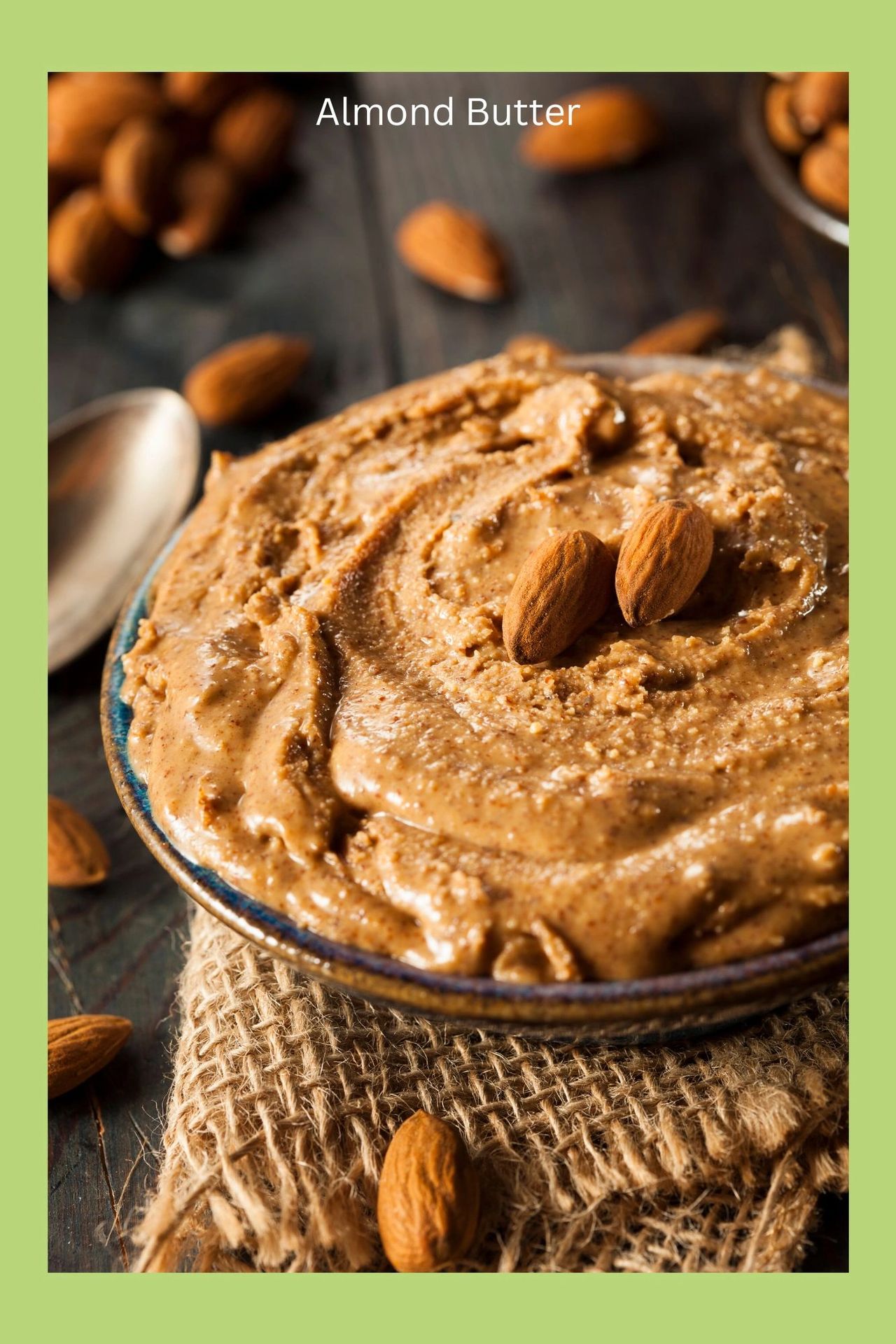
Peanut butter has long been the king of spreads, a pantry staple found in kitchens across the world. But could almond butter dethrone it when it comes to heart health? I didn’t think much about this question until my own cholesterol journey forced me to take a deeper look at the foods I was eating.
Like many, I was loyal to my peanut butter for years. It was not only a pantry staple but also a major source of protein for me as I transitioned to a mostly plant-based diet. When I began changing my diet to improve my health, peanut butter was a reliable way to keep my protein intake up while reducing the amount of animal protein I was consuming..
One of my biggest goals throughout my journey to better health was to get off of all pharmaceutical drugs, including cholesterol-lowering drugs, which I had been taking for some time. I came to realize that these medications weren’t actually helping me get healthier—they were simply suppressing my symptoms without addressing the root cause (I was an excellent repeat pharmaceutical customer for several decades, taking my meds as prescribed). But I didn’t want to rely on big pharma to manage my health, so I knew I had to find a long term solution that would truly address my high cholesterol problem.
I thought I was doing everything right. I was focused on my health not a fad diet. I had transitioned to a no flour, no sugar diet consisting of mostly fresh whole organic foods and my weight had significantly dropped as a result. My blood pressure had improved significantly and my cholesterol had even dropped from 270 mg/dL to 200 mg/dL thanks to the weight loss and dietary changes. But no matter what I did, my cholesterol continued to hover around that 200 mg/dL mark.
During a doctor visit, I was excited by the news that I could get off of my blood pressure medicine, but my doctor was hesitant to take me off the cholesterol drugs because it was still too high. I expressed my frustration and he asked me if I had been keeping a food log. I had, and when he looked at it, he noticed something surprising—peanut butter was a consistent part of my diet, sometimes eaten by the spoonful. I’d already switched to a healthier less processed peanut butter without added oil or sugar, so I thought I was in the clear. But my doc had another idea. He suggested I switch to almond butter (or cashew or walnut butter) and see if that could help lower my cholesterol further.
I’m the kind of person who likes to do my own research, so I dove into it. I looked at the different nutritional profiles of the nut butters my doctor suggested. I started with cashew and walnut butters, but despite liking those nuts on their own, they didn’t come close to satisfying my peanut butter craving. Then, I tried the almond butter. It totally hit the mark on taste. In fact, it tasted almost exactly like peanut butter to me-but better! Then, I turned to the numbers. To be honest, I didn’t think such a slight difference in nutritional content could have such a big effect on my cholesterol. But I was wrong.
In just one month after switching to almond butter, my cholesterol dropped dramatically—from 200 mg/dL to 150 mg/dL. Not only was this a major win for my heart health, but I was also able to get off my cholesterol medication entirely, which was an exciting outcome. It was official, I was now pharmaceutical drug free! Woo hoo! Talk about feeling liberated.
Now, please understand, I’m not promising you will get the same result given our bio-individuality. But, I am suggesting you might want to be open to explore it, and see what if any difference it makes in your body’s cholesterol. I was shocked how it impacted mine.
So, What’s the Difference Between Almond Butter and Peanut Butter?
Peanut butter and almond butter have a lot in common. They’re both made from nuts, both are great sources of protein, and they can be used in all the same ways—spread on toast, mixed into smoothies, or eaten straight from the jar (if you’re like me!). But their subtle differences can make a difference when it comes to heart health.
First, let’s look at the nutrition facts.

* Source Below
Per two tablespoons, almond butter has slightly more calories and fat, but it contains slightly less saturated fat than peanut butter (Less saturated fat is a very good thing). Almond butter also has fewer carbohydrates, more fiber, and less natural sugar. While these differences may seem insignificant, they can add up when you’re looking to improve heart health, especially if you’re watching your cholesterol.
Almond butter’s lower saturated fat content can help lower LDL cholesterol (the “bad” kind), while its higher fiber content aids in digestion and helps keep you feeling full.
Another key point: if you have a peanut allergy, almond butter is a safe and tasty alternative. That’s an easy win if you’re looking for similar flavor, texture and nutrition without the risk!
The Heart-Healthier Choice
While peanut butter isn’t inherently bad, almond butter offers a slight edge, especially if you’re working on improving heart health or managing cholesterol levels. The lower saturated fat and sugar content in almond butter can support healthier cholesterol levels, while still providing the protein and fat your body needs.
I didn’t realize how much of a difference almond butter could make, but I experienced it with my own test results. Now, I can’t imagine going back. Whether you’re dealing with high cholesterol or just looking to make a healthier choice, almond butter is worth a try. Switching to almond butter might seem like a small change, but for me, it was a game changer enabling me to finally break free from cholesterol medication. If you’re looking for ways to improve your heart health naturally, this simple swap could make all the difference—it certainly did for me!
Click HERE for a delicious, healthy Oatmeal Cookie recipe using almond butter. Or maybe you prefer a Carrot Cake Cookie, if so, click HERE.
Are you looking for inspiration to kick-start your journey to better health? Imagine transforming your life just like I did—going from 270 pounds and a size 24 to 130 pounds and size 4 jeans, all while ditching pharmaceutical drugs. If you are interested in knowing more about me and my wellness journey, click HERE.
Or, if you are interested in learning more about my products (some are even free) click HERE.
* The data in this table came from the following website: https://fdc.nal.usda.gov/help.html