
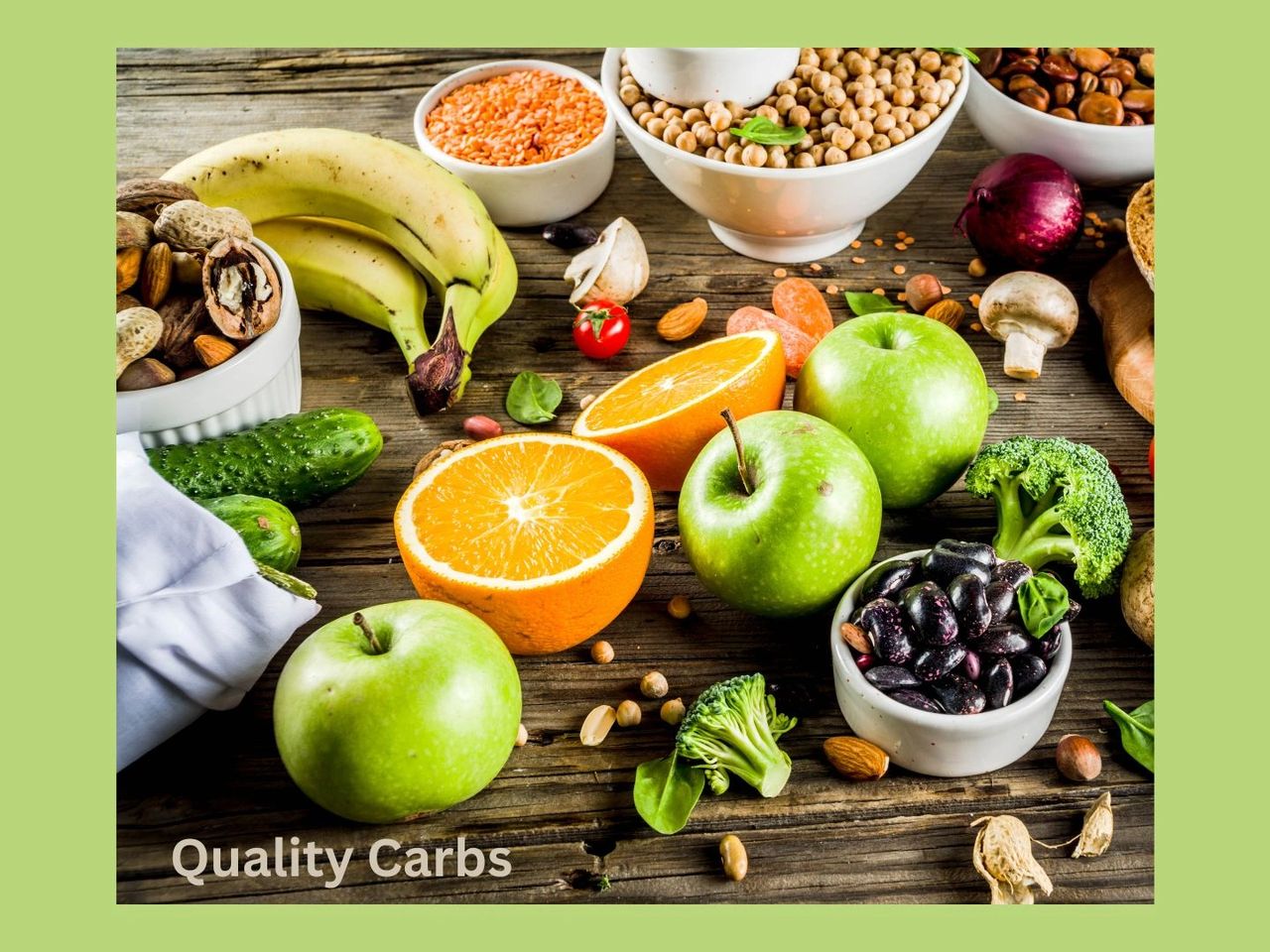
In recent years, the debate over good carbs versus bad carbs has dominated nutritional discussions, understandably, as it’s easy to take a black and white view. But, amidst the conflicting advice and rigid categorizations, a new perspective is emerging—one that shifts the focus from labeling carbohydrates as inherently good or bad to emphasizing the importance of carb quality. In this article, we’ll explore the concept of carb quality and how it can revolutionize the way we approach carbohydrate consumption for optimal health and well-being.
Carbohydrates come in various forms, ranging from nutrient-dense whole foods to highly processed, refined products. Instead of categorizing carbs based on simplistic notions of good and bad, I propose evaluating them based on their quality and how the body processes the carbs we feed the body.r Quality carbohydrates are those that offer essential nutrients, fiber, and beneficial phytochemicals while promoting stable blood sugar levels and long-term health. Conversely, processed carbohydrates are just empty calories, devoid of nutritional value and can contribute to weight gain and metabolic imbalances.
First, let’s talk about the importance of carbohydrates. Carbohydrates are one of the three macronutrients essential for human health, along with proteins and fats. They serve as the primary source of energy for the body, fueling vital processes such as brain function, muscle contraction, and cellular metabolism. Complex carbohydrates, in particular, provide a sustained and steady release of energy, supporting physical performance and cognitive function throughout the day. Additionally, carbohydrates play a crucial role in maintaining digestive health and supporting the growth of beneficial gut bacteria. By recognizing the fundamental importance of carbohydrates in the diet, individuals can appreciate the significance of making quality choices when it comes to carbohydrate consumption.
Since I mentioned complex carbs, next let’s talk about the differences between simple and complex carbs next. Simple carbs are often found in processed foods, such as sugary snacks, candies, and sweetened beverages. They are composed of 1 or 2 sugar molecules and tend to be quickly digested and absorbed in the body leading to rapid spikes in blood sugar levels. These are the carbs that often get categorized as “bad” carbs.
In contrast, complex carbs consist of longer chains of sugar molecules and they are found in whole, minimally processed foods such as vegetables, whole grains, and legumes. Complex carbs are digested more slowly in the body providing a steady release of energy and promotes the feeling of fullness and satiety. These are the carbs that are typically categorized as “good” carbs.
One cornerstone of carb quality is opting for whole, minimally processed foods. Fruits, vegetables, whole grains, and legumes are rich sources of vitamins, minerals, and fiber, providing sustained energy and supporting overall health. By prioritizing these foods over refined carbohydrates, individuals can enhance the nutritional quality of their diet and reduce the risk of chronic diseases.
While carb quality is important, so too is portion control and balance. Regardless of whether a carbohydrate is considered “good” or “bad,” consuming excessive amounts can lead to weight gain and metabolic imbalances. Instead, aim for balanced meals that include a variety of macronutrients—carbohydrates, proteins, and healthy fats—in appropriate portions to meet your energy needs and support overall health. In other words, don’t over-eat. Just tune into your body, eat till you feel full, then stop.
It’s essential to recognize that optimal carbohydrate intake can vary from person to person based on factors such as age, activity level, metabolic health, and individual preferences. Rather than adhering to one-size-fits-all recommendations, individuals should listen to their bodies and adjust their carbohydrate intake accordingly to support their unique health goals and needs.
Finally, adopting mindful eating practices can enhance the quality of carbohydrate consumption. Pay attention to hunger and fullness cues, savor the flavors and textures of food, and be mindful of emotional triggers for eating. By cultivating a deeper connection with food and eating habits, individuals can make more conscious choices that promote both physical and mental well-being.
The concept of carb quality offers a refreshing perspective on carbohydrate consumption—one that transcends the limitations of the good versus bad dichotomy. By focusing on whole foods, understanding the difference between simple and complex carbs, practicing portion control and balance, embracing a personalized approach, and cultivating mindful eating habits, individuals can harness the power of carb quality to optimize their health and vitality. Try asking yourself, “Is this a quality carb?” And if the answer is no, don’t eat it!
Let’s shift the conversation from judgmental labels to empowering choices and embrace a quality-centered approach to carbs for a healthier, happier life. Because eating healthy can be delicious—and the journey to a healthier, happier you is so worth it. I know because I lived it.
I stopped chasing weight loss and started focusing on my health—and that single shift changed everything. I lost 140 pounds, but more importantly, I found clarity, energy, and a life that finally feels like mine.
I tell the whole story in my book. Click HERE for more info.