
Ever wondered why you often feel sluggish or struggle with digestive issues? You might be one of the 95% of Americans who are deficient in fiber. But why does that matter?
Let me take you on a little journey. Imagine your gut as a bustling city, teeming with trillions of microorganisms that play a crucial role in your overall health. This intricate ecosystem, known as the gut microbiome, thrives on fiber. Eating a fiber-rich diet is not just about avoiding constipation; it’s about feeding the good bacteria that keep your gut—and by extension, you—happy and healthy.
I noticed that reducing processed foods including added sugar and flour and adding more fiber to my diet made several huge improvements in my energy level, my skin, hair, nails and even helped me to curb cravings for those sugary treats and processed foods.
If you’re curious about the wonders of the microbiome, I delved into this fascinating topic last September in my post “Magic Microbiome: Discovering Unexpected Wonders Lurking Within.” You can check it out HERE.
So why should you care about fiber? Here’s what it can do for you:
-
- Feed The Microbiome: Fiber is essential for feeding the gut microbiome. A healthy microbiome supports digestion, boosts immunity, and can improve overall well-being.
-
- Support Heart Health: Fiber can reduce cholesterol absorption, aiding heart health.
-
- Manage Weight: High-fiber foods are lower in calories and can keep you feeling full longer.
-
- Improve Digestion: Fiber speeds up digestive processes and helps prevent constipation.
-
- Stabilize Blood Sugar: It slows down glucose absorption, preventing insulin spikes.
-
- Prevent Cancer: Some fibers, like pectin in apples, may have antioxidant properties that help prevent certain cancers, including colon cancer. I’m sure you’ve heard “And apple a day keeps the doctor away?” I’m a firm believer!
Incorporating more fiber into your diet can be easy, straightforward and delicious. Here are some effective ways to boost your fiber intake:
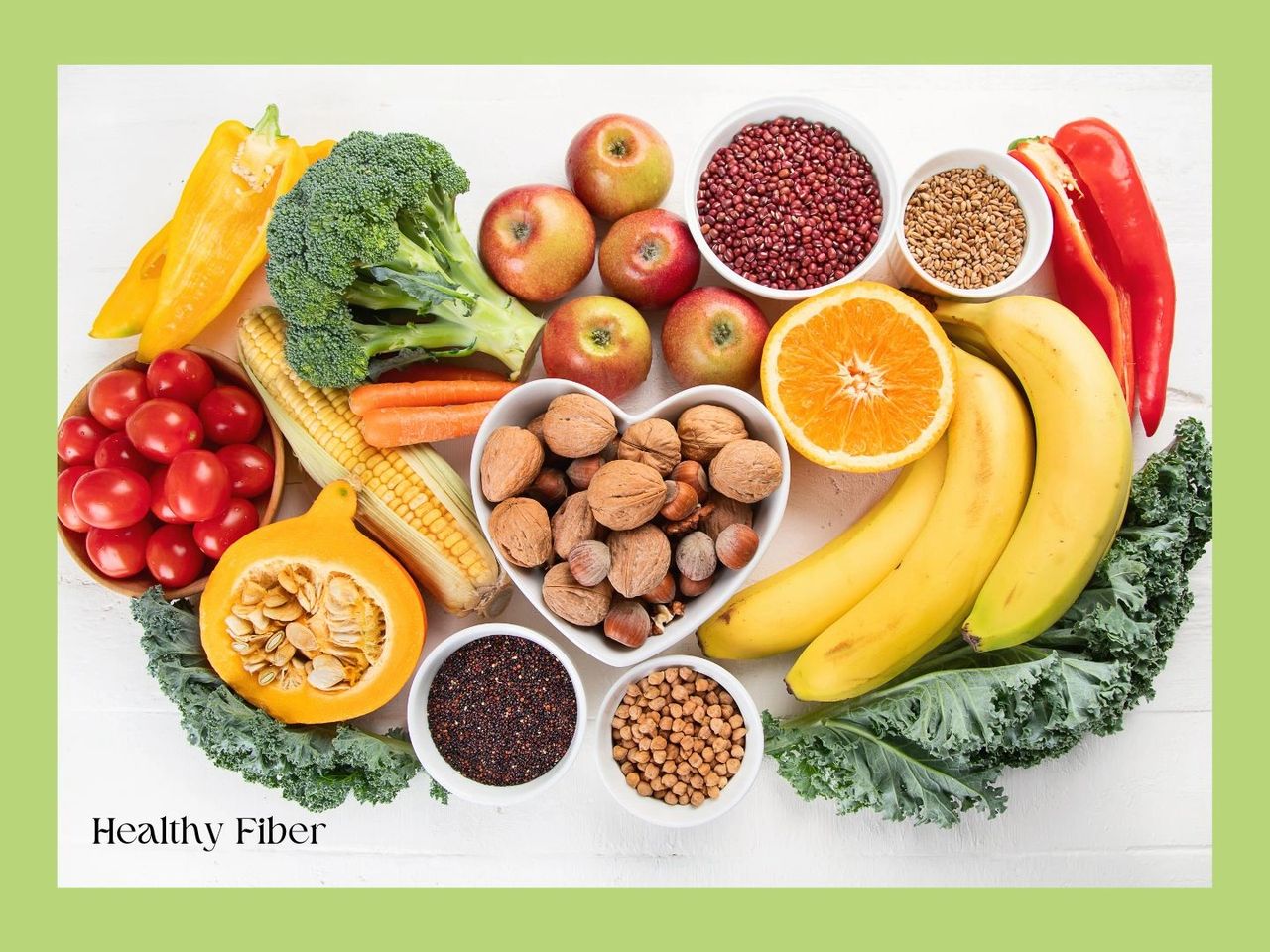
Eat More Fruits and Vegetables: Apples, bananas, berries, pears, pineapple and avocados are high in fiber. Vegetables like artichokes, kale, carrots, broccoli, Brussels sprouts, and leafy greens are also fiber-rich. Whenever possible, eat the skins of fruits and vegetables, as they contain a lot of fiber.
Eat Legumes: Add beans, lentils, and green peas to soups, salads, and main dishes. They are not only high in fiber but also provide a good source of protein.
Eat Whole Grains: Choose excellent and organic sources of whole grains such as oatmeal, quinoa, and barley.
Go for Fiber-Rich Snacks: Opt for nuts and seeds over chips and crackers. Almonds, chia seeds, flaxseeds, and sunflower seeds are great snacks and can be added to yogurt, salads, or smoothies. Even air-popped popcorn is a whole grain and a tasty high-fiber snack.
The USDA’s recommended daily amount of fiber for adults up to age 50 is 25 grams for women and 38 grams for men, but women and men older than 50 should have 21 and 30 daily grams, respectively. But there is such a thing as eating too much fiber. That said, you’d have to eat a LOT (like upwards of 70 grams) in a day. And if you did eat that much, you’d probably have discomfort like gas, cramps and bloating. If by chance that were to happen, you’d want to reduce your fiber consumption until your symptoms subside, and allow your body time to adjust. Also a good idea to avoid carbonated beverages or gum as these foods can add air to the gastrointestinal system, which could lead to further bloating and abdominal discomfort.
When adding high-fiber foods to your diet, it’s best to do so gradually over a few days, drink plenty of water, and even do some gentle movement. Fiber works best when it absorbs water, making stools soft and bulky. Drinking enough water is crucial when increasing fiber intake. Physical activity can help with bloating and constipation. Consider going for a leisurely walk or doing some gentle stretches.
This can help prevent adverse effects, such as cramps, bloating and/or gas.
To help you get started, below are some of my favorite fiber-rich foods, and the grams of fiber per 1oz serving. Remember, when you are eating things like beans, lentils, and such, especially as a meal, you’ll be eating a half cup (4 oz) to a cup (8 oz), so you can see how the fiber count raises accordingly. An average avocado will have about 6 grams of fiber, a medium apple contains 4.4 grams and so on.
Almonds: 3.5 grams
Apple: 0.7 grams
Artichoke: 1.6 grams
Avocado: 2.7 grams
Beans: 3.6 grams
Berries: 1.5 grams
Broccoli: 0.8 grams
Brussels Sprouts: 1.0 grams
Chia Seeds: 9.8 grams
Chickpeas: 2.1 grams
Dark Chocolate (70% or more cocoa): 3.1 grams
Kale: 0.8 grams
Lentils: 2.5 grams
Pear: 1.7 grams
Pineapple: 0.9 grams
Popcorn: 1.1 grams
Pumpkin Seeds: 1.7 grams
Sunflower Seeds: 2.4 grams
By making these small, manageable changes to your diet, you can significantly increase your fiber intake and enjoy the numerous health benefits that come with it. Your body and your microbiome buddies will thank you!
I challenge you to add one new fiber-rich food to your diet this week. Let me know if you noticed any changes in your body after increasing your fiber intake. I’d love to hear how it goes for you. Please share your experiences by emailing me at info@noblealchemy.com.
Are you looking for inspiration to kick-start your health journey? Imagine transforming your life just like I did—going from 270 pounds and a size 24 to a healthy 130 pounds and size 4 jeans, all while ditching pharmaceutical drugs.
Curious how I did it? Check out my new book coming out fall of 2025 The Awakened Body. For more about it, click HERE.