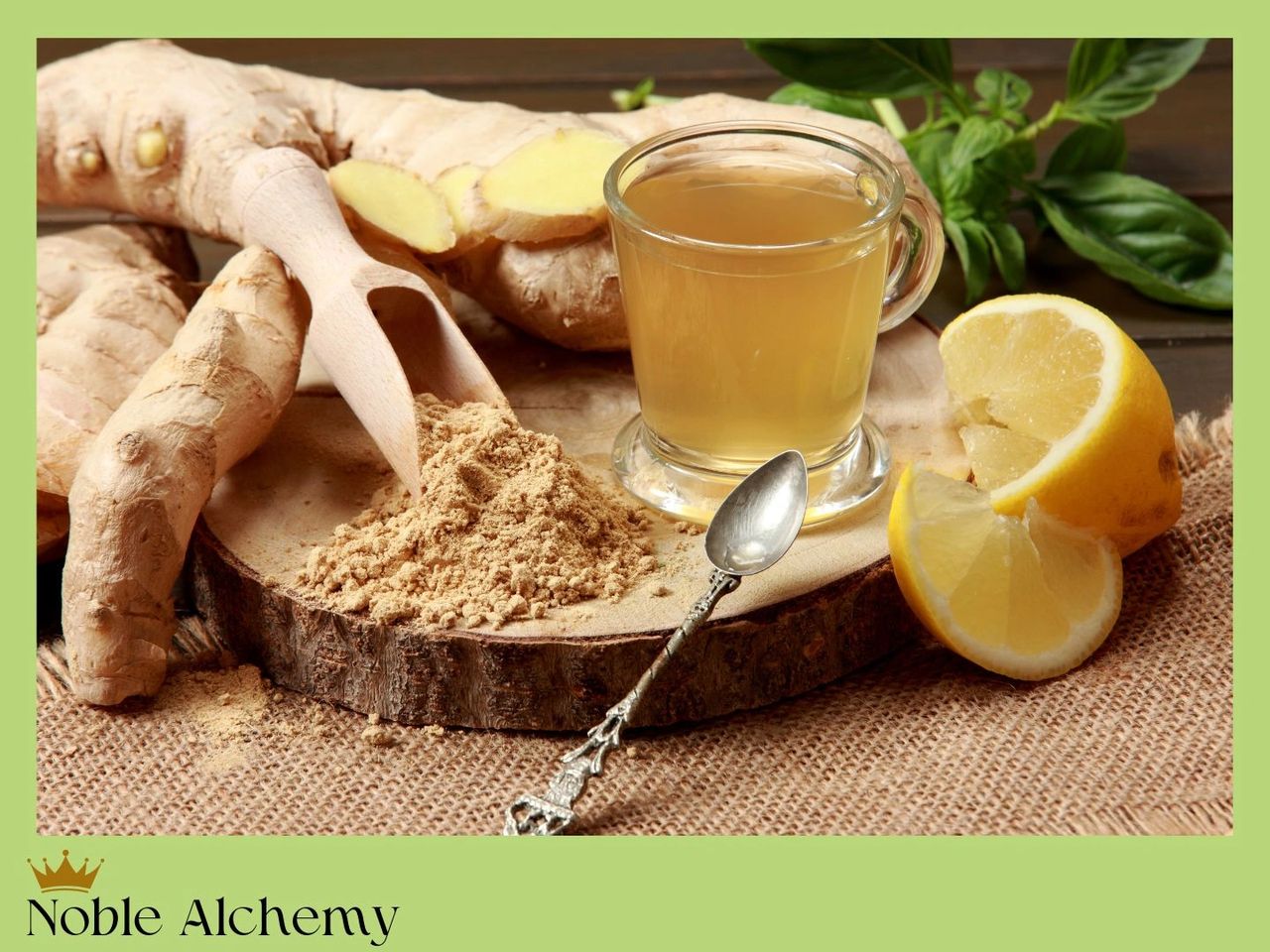
When you think of ginger, what pops into your mind? Gingerbread cookies, perhaps? The fiery redhead next door? Or maybe the art of “gingerly” tiptoeing around an issue? Whatever it may be, it’s time to think bigger. Ginger isn’t just a quirky spice in your chai latte—it’s a high vibe powerhouse for your health and a must-have for your pantry.
This knobby little root is one of the most versatile players in the kitchen lineup. Whether it’s powdered, freshly chopped or zested, steeped in tea, juiced, or extracted, ginger brings the zing and so many health benefits. It hails from a flowering plant native to Southeast Asia and shares family ties with turmeric and cardamom. While they may sound like the cool kids of the spice rack, ginger has been a star for centuries. In fact, it’s been a staple in Chinese, Indian, and Iranian medicine for its warming and digestive properties, as well as its ability to support overall health.
Let’s dive into why ginger deserves a top spot in your life—and your diet. Here are eight awesome reasons to add a little zing to your world:
1) Packed with Gingerol & Other Bioactive Compounds
Gingerol is the powerhouse behind ginger’s health benefits—bold, zesty, and packing a serious punch. This superstar compound is what gives ginger its signature heat and flavor while doubling as a powerful antioxidant. It helps combat oxidative stress, the sneaky culprit behind aging and many chronic diseases.
Oxidative stress is important because it’s a big contributor to many age-related diseases. Reducing oxidative stress isn’t just about staying healthy—it’s about aging well. And who doesn’t want that?
But gingerol isn’t working alone. This little root also boasts smaller amounts of quercetin, terpenes, and other phenolic compounds, all teaming up to boost its health-promoting properties. These compounds work together to give ginger its impressive antioxidant capacity, protecting your body from cellular damage and supporting long-term vitality.
What sets ginger apart is its ability to deliver both flavor and function. Whether you’re fighting oxidative stress or simply savoring a delicious dish, ginger proves that good health and great taste can go hand in hand. No wonder it’s earned its place as a kitchen essential and a wellness staple.
2) Anti-Inflammatory & Antimicrobial Hero
Inflammation might sound like a boring biology term, but chronic inflammation is no joke—it’s like a slow-burning fire that wreaks havoc on your body. Enter ginger, the extinguisher. Yes, it might seem counterintuitive that something so spicy could calm things down in the body, but ginger’s unique compounds work wonders in reducing inflammation. Its antioxidant arsenal helps put out the flames and even takes on microbes, from oral bacteria to respiratory challenges. It’s like having a spice that doubles as a bodyguard.
Ginger’s anti-inflammatory properties don’t just soothe aches and pains—they support your body at a deeper level. Chronic inflammation has been linked to a range of health issues, including cardiovascular disease, arthritis, and even certain cancers. By inhibiting inflammatory markers and reducing oxidative stress, ginger helps create a healthier internal environment. These effects may also contribute to faster recovery from minor injuries or illnesses, making ginger a versatile tool for long-term wellness.
Its antimicrobial benefits are equally impressive. Ginger contains compounds that combat harmful bacteria and fungi, offering protection against oral health issues, minor infections, and even some respiratory challenges. The synergy between its anti-inflammatory and antimicrobial properties underscores why ginger has been prized in various healing traditions for centuries.
3) Digestive Dynamo
Known as the MVP of digestion, ginger can tackle nausea of all kinds—motion sickness, morning sickness, post-surgery woes, even chemotherapy-related nausea. I experienced ginger’s protective power firsthand on a crazy winding road trip in the mountains. Nausea hit me like a ton of bricks, and nothing seemed to help. That’s when a friend handed me some ginger capsules and insisted I try them. I was skeptical—how could this humble root packed into a capsule fight off my swirling stomach? But I popped a few, and within minutes, I felt the nausea easing, and I could finally enjoy the ride (and the views) without worrying about my stomach’s rebellion.
But nausea isn’t the only area where ginger shines. Studies show that taking ginger 30-60 minutes before meals can help speed up stomach emptying, reducing post-meal discomfort like bloating, stomach pain, and that heavy, overstuffed feeling. It’s also been found to help with gas, bloating and abdominal discomfort.
No wonder your grandma swore by it! Whether you’re sipping ginger tea, grating it into recipes, or taking it in capsule form, ginger has a way of keeping your gut feeling lighter and more comfortable.
4) Pain Relief That Packs a Punch
For centuries, people have turned to ginger for pain relief—and numerous studies back it up. Ginger’s anti-inflammatory properties make it a natural ally for managing pain, especially in conditions like osteoarthritis. Studies have shown that taking ginger regularly can significantly reduce joint pain and stiffness. But it doesn’t stop there—ginger isn’t just for eating or drinking. Topical ointments combining ginger with cinnamon, sesame oil, and mastic have also been found to provide real relief for joint stiffness and muscle discomfort. This root is multitasking at its finest!
Early findings in studies around menstrual pain and exercise-induced muscle soreness are promising. While the possibilities for ginger to help with other pain-related issues haven’t been fully explored yet, the potential is beyond exciting. The idea that this humble root could be a natural, effective option for pain relief is a compelling prospect for anyone looking to manage discomfort in a holistic way.
Adding ginger to your diet daily might be an easy way to reduce pain from the inside out, and without pharmaceuticals!
5) A Hug for Your Heart
Heart health may not be a topic that gets your blood pumping, but it’s one of the most important areas to prioritize—and ginger is stepping up as a heart-friendly ally. Numerous studies suggest that ginger can help lower blood pressure, a key factor in reducing the risk of heart disease.
Ginger’s antioxidants may also help reduce oxidative stress, which can damage blood vessels over time and contribute to cardiovascular problems. And, ginger’s potential to improve circulation and its anti-inflammatory properties make it a valuable addition to a heart-healthy routine.
Adding this mighty spice to your meals, teas, or even as a supplement is a simple way to give your heart a little extra love. With its zesty flavor and protective properties, taking care of your ticker has never been more enjoyable—or delicious.
6) Potential Blood Sugar Balancer
Ginger might not be the first thing you think of when it comes to blood sugar control, but it’s quietly earning a spot in the conversation. Some newer studies suggest this spicy powerhouse may help improve insulin sensitivity, giving your body the tools it needs to keep blood sugar levels in check.
I read about one study where participants with type 2 diabetes consumed two grams of ginger powder daily and saw significant improvements in fasting blood sugar levels. While researchers are still piecing together exactly how ginger works with our insulin levels in the body, its potent antioxidants and anti-inflammatory compounds are believed to play a part in supporting healthier glucose levels.
Think of ginger as the underdog in your metabolic health journey—small, humble, and unexpectedly effective. It’s a reminder that sometimes the most surprising solutions can come from the simplest sources.
7) Cancer-Fighting Compounds
One of the most exciting areas of ginger research involves its potential role in the fight against cancer. The same compound that gives ginger its spicy kick—gingerol—has been studied for its anti-tumor, anti-inflammatory, and anti-proliferative properties. These properties work together to target cancer cells, helping to slow their growth and potentially prevent their spread.
On a personal note, when someone close to me was diagnosed with cancer, we started incorporating fresh ginger into homemade juices. We combined it with beet, turmeric, and carrot for a powerful, nutrient-rich blend. While there’s no way to know exactly what role it played alongside other treatments, I know it certainly didn’t hurt. Fifteen years later, thankfully he’s still living with an incurable cancer, and I believe that those juicing habits contributed to his overall health and resilience.
Although much of the research is still in its early stages, the findings once again continue to be undeniably promising. Ginger’s ability to combine flavor with functional benefits highlights its potential as a simple yet powerful addition to a cancer-preventive lifestyle.
8) Brain Booster
Declining cognitive function is often seen as a milestone of aging, but it doesn’t have to be inevitable. You can start protecting your brain power now by incorporating antioxidant-rich foods, like ginger, into your diet. Because both oxidative stress and chronic inflammation are closely tied to age-related cognitive decline, reducing these stressors can help keep the mind sharper as we grow older.
This area of ginger’s promise is especially personal to me. Having seen firsthand how cognitive decline can impact loved ones, I know how critical it is to focus on brain health early. Ginger might not be a miracle cure, but it’s a small, proactive, and easy step we can all take to support our brains for the long haul.
Ways to Add Ginger to Your Diet
The beauty of ginger is how versatile it is. Whether you love its spicy kick or prefer to take it in capsule form, there’s a way for everyone to include ginger in their routine.
For many, powdered ginger is the easiest option. It’s shelf-stable, convenient, and works well in sweet or savory dishes. Toss it into your smoothie, mix it into baked goods, or sprinkle it over roasted veggies for a zesty twist. If you’re not a fan of ginger’s bold flavor, capsules are a fantastic alternative. Personally, I believe raw ginger is where the magic happens. Fresh ginger feels more potent to me, and I love grating it into soups, curries, stir-fries, and smoothies.
Another of my favorite ways to enjoy it is in a homemade tea: I simmer slices of fresh ginger with orange peel, cinnamon sticks, and dried cloves, then finish with a squeeze of lemon. It’s warming, soothing, and perfect for an upset tummy—or just a cozy evening in.
When it comes to juicing, ginger is a staple in many of my recipes. A little fresh ginger goes a long way in adding a zesty kick and a range of health benefits to juices loaded with greens, citrus, or other fruits and veggies. It balances flavors beautifully and gives the juice a refreshing edge.
And then there’s the ginger shot—my go-to powerhouse blend of juiced ginger, lemon, turmeric root, and garlic. It’s not for the faint of heart, but it’s an earthy, spicy burst of health that wakes you up faster than any morning coffee. Both ginger juice and the ginger shot have become integral parts of my wellness routine, offering different ways to enjoy the benefits of this remarkable root.
Lastly, let’s not forget my favorite seasonal remedy: Fire Cider. I make it every fall and winter, combining ginger with apple cider vinegar, garlic, onions, and other immune-boosting ingredients. It’s both a preventative measure and a cure. I take a shot of Fire Cider daily in the winter months as a preventative measure, and I haven’t had a cold, flu, or even COVID in over 15 years (knock on wood). Whether as a tea, in juice, or a fiery shot, ginger is an easy and delicious way to boost your health.
Precautions When Using Ginger
While ginger is generally safe for most people, it’s important to use organic, high-quality sources, especially if you’re supplementing. When supplementing look for certified organic options that are third-party tested to ensure that the micronutrients come from reliable sources. All supplements are not created equal, and this extra step adds a layer of quality and safety, particularly since supplements are not tightly regulated.
If you’re pregnant, taking blood-thinning medication, or managing a specific medical condition, consult with your healthcare provider before making significant changes to your diet or adding ginger supplements.
As with anything, balance is key. Enjoying ginger in reasonable amounts as part of a healthy diet is a safe and effective way to tap into its many benefits. As you can see, ginger is powerful, but like anything else, balance is key to reaping its benefits without overdoing it.
Your Spicy Sidekick in the Kitchen
From its ancient roots in medicine to its modern-day superfood status, ginger has earned its place as a trusted companion in the kitchen and beyond. Whether you’re adding it to your favorite recipes, steeping it into tea, or harnessing its health-boosting power in a glass of fresh-made juice or a fiery shot, ginger is the ultimate sidekick for your wellness journey. So, let ginger spice up your routine and become your new best friend in the kitchen—you’ll be amazed at the difference a little zing can make.
Click HERE to visit my YouTube channel, where I have many cooking and juicing demonstration videos that contain delicious ginger and easy ideas how you can incorporate it into your diet. A few of my favorites are:
Easy Calulflower Curry Bursting with Indian or
Awesome & Easy Tofu Lettuce Wraps:Sweet, Savory,Healthy, & Delish or
Sensational, High-Vibe & Delicious Baja Butternut Squash Soup or